


Pay & Benefits
Bill wants to solve the coverage gap for National Guard and reservists by extending VA eligibility
Legislation from Rep. Joe Neguse, D-Colo., proposes to expand VA health care benefits to personnel in the reserve components when not on active duty to help ensure “force readiness.”
Management
Biden’s environmental justice scorecard offers more questions than answers
The White House's own environmental justice progress report gives little insight into the green benefits delivered to disadvantaged communities.
Oversight
HHS removed Login from its grantee payment system after funding theft
Hackers used data from a federal contracting hub to steal funding from seven grantee organizations in an HHS breach that occurred last year. Both HHS and GSA say that Login.gov was not compromised or connected to the theft.

Sponsor Content
Fidelis Network: Deep Visibility, Advanced Threat Detection and Response
A security solution that offers full internal visibility across ports and protocols, with network traffic analysis and behavior detection.


Management
House advances spy power reauthorization bill without warrant measure
The bill — which represents a win for Biden administration policy objectives — will now be taken up in the Senate, with a week to go before the authority sunsets.

Management
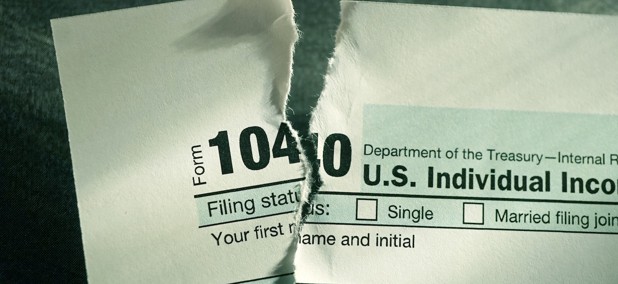
Taxes are due even if you object to government policies or doubt the validity of the 16th Amendment’s ratification
The IRS "has stated repeatedly that a taxpayer does not have the right to refuse to pay taxes based on religious or moral beliefs."


Management
OPM rule removes Social Security numbers from mailed documents
The federal HR agency finalized a rule Friday that would help prevent potential identity theft by restricting the inclusion of Social Security numbers in mailed documents and establishing criteria for protecting the information.


Sponsor Content
Tackling Technical Debt to Modernize Mission Networks
Learn how agencies can strategically integrate CONOPS into their approach for modeling and developing a successful NaaS model.
Management
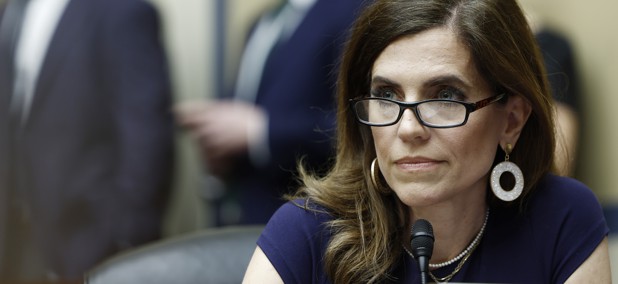
Skills-based hiring for contractors advances in the House
The Allowing Contractors to Choose Employees for Select Skills Act would remove degree requirements from federal contract work in some instances.
FEATURED INSIGHTS






Oversight
Russian hackers accessed federal agencies' emails in Microsoft breach, CISA says
The alert comes a week after Microsoft was faulted in a Homeland Security Department report for fostering a security culture that enabled a similar China-backed cyberattack last year.


Tech
EEOC says HR software company Workday should face bias claims in lawsuit
The federal agency filed an amicus brief in a case in which a job applicant is alleging algorithmic discrimination.





Tech
How TSA’s opt-outs for biometric screenings informed White House AI policy
The Office of Management and Budget’s recent guidance on the government’s responsible use of AI elevates TSA's practice of allowing travelers to decline biometric scans at airport security to national policy.
TSP TICKER
FUND
G
F
C
S
I
APR 15 CLOSE
$18.1840
$18.6421
$79.2397
$77.2693
$41.1370
DAILY CHANGE
0.0064
-0.1145
-0.9636
-1.3069
-0.1197
THIS MONTH (%)
0.18
-2.30
-3.61
-6.26
-3.38
FUND
L 2060
L 2050
L 2040
L 2030
L INCOME
APR 15 CLOSE
$15.7529
$31.6426
$52.7958
$46.5157
$25.3495
DAILY CHANGE
-0.1493
-0.2589
-0.3778
-0.2747
-0.0635
THIS MONTH (%)
-3.86
-3.33
-2.92
-2.42
-1.01
FUND
APR 15
CLOSE
CLOSE
DAILY
CHANGE
CHANGE
THIS
MONTH
MONTH
G
$18.1840
0.0064
0.18
F
$18.6421
-0.1145
-2.30
C
$79.2397
-0.9636
-3.61
S
$77.2693
-1.3069
-6.26
I
$41.1370
-0.1197
-3.38
L 2050
$31.6426
-0.2589
-3.33
L 2040
$52.7958
-0.3778
-2.92
L 2030
$46.5157
-0.2747
-2.42
L 2020
$None
None
L INCOME
$25.3495
-0.0635
-1.01


Workforce
OPM finalizes reforms to federal internship programs
Biden administration officials hope improvements to the federal government’s Pathways Program will make it more appealing for potential applicants and easier to use as an agency recruitment tool.


Pay & Benefits
Resigning instead of retiring
How you leave the federal government matters when it comes to benefits.
Oversight
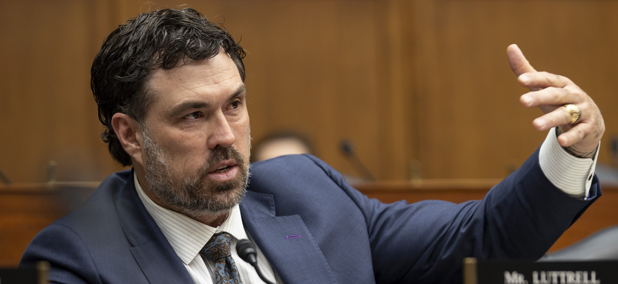
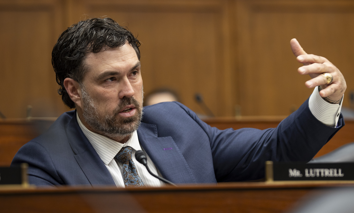
VA claims appeal board errors are the target of a new House bill
The Veterans Claims Quality Improvement Act seeks to mitigate errors made by the Board of Veterans’ Appeals with new training, performance evaluations and required reports to Congress.


Tech
USPTO says existing rules apply to AI-crafted submissions
The U.S. Patent and Trademark Office reaffirmed its existing regulations will apply to AI-assisted applications and filings.


Workforce
Give administrative leave to veterans for VA appointments
COMMENTARY | This is a necessary step in honoring our veterans in federal service.
Updated
Pay & Benefits
House panel advances bills to improve FEHBP oversight and fix CBP retirement snafu
A 2022 Government Accountability Office report estimated that ineligible family members covered through the federal government’s employer-sponsored health care program could cost the government between $250 million and $3 billion per year.

Oversight
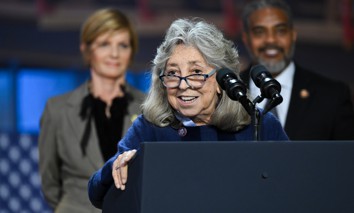
Contentious FBI headquarters plan looms over House hearing on real estate footprint
The House Subcommittee on Economic Development, Public Buildings and Emergency Management sought to examine the FBI’s strategy for managing its overall office space requirements, but the ongoing controversy over its potential new headquarters again took center stage.


Management
Maryland delegation to launch bipartisan push for funds to rebuild collapsed Baltimore bridge
A pending bill would allow the state to avoid incurring 10% of the costs of rebuilding the Francis Scott Key Bridge.


Pay & Benefits
Here's what federal employees need to know about their dental benefits
Navigating your dental benefits shouldn't be like pulling teeth


Workforce
Coast Guard hasn’t assessed how many future aviation personnel it needs, report says
The service is in the midst of modernizing and consolidating its aircraft fleet, but it’s also facing workforce challenges that could alter how many vehicles the Coast Guard ultimately needs.


Pay & Benefits
OPM continued to make strides on retirement process in March
The backlog of pending retirement claims fell below 17,000 last month, a feat that did not occur until June in 2023.


Oversight